Uganda—When Water Comes Near
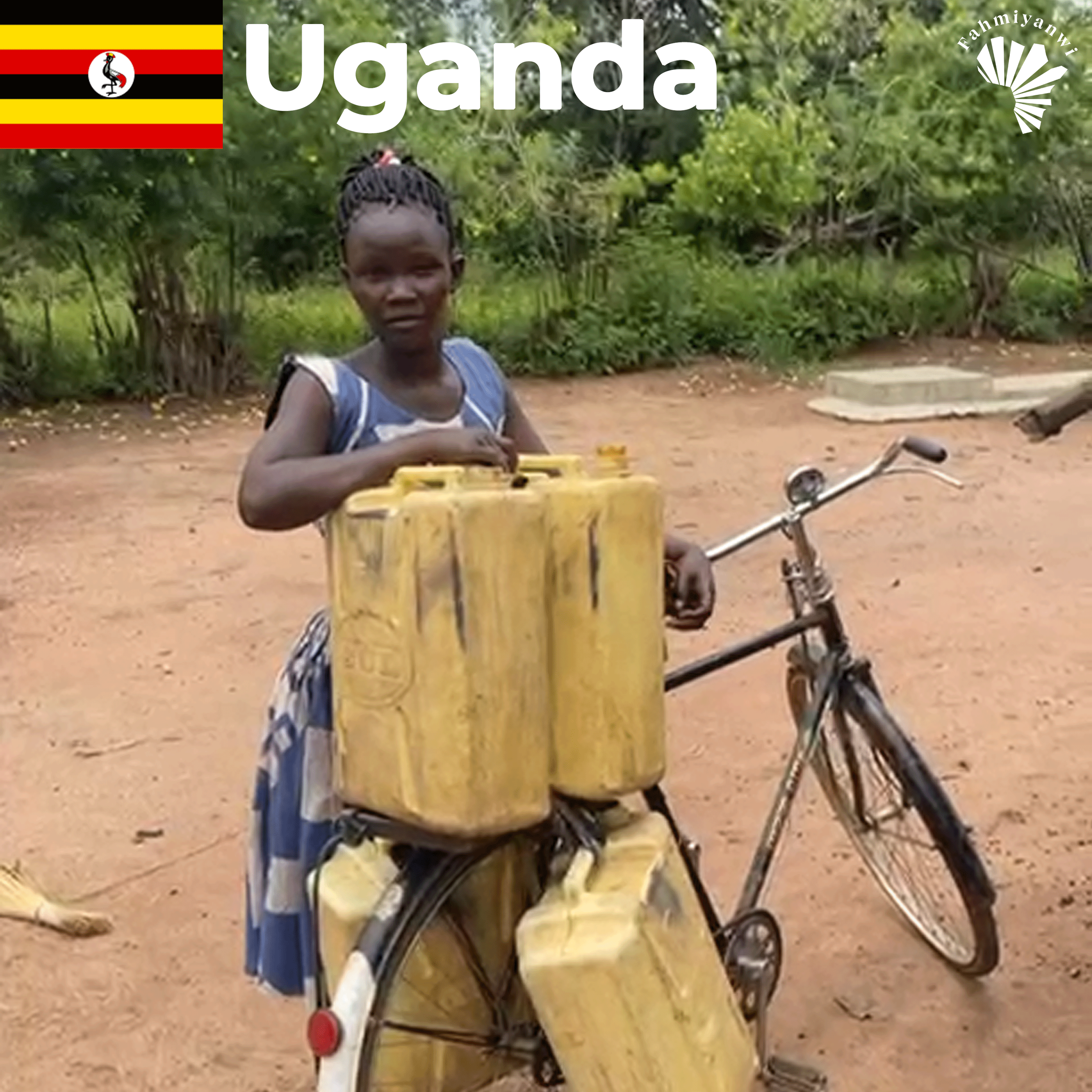
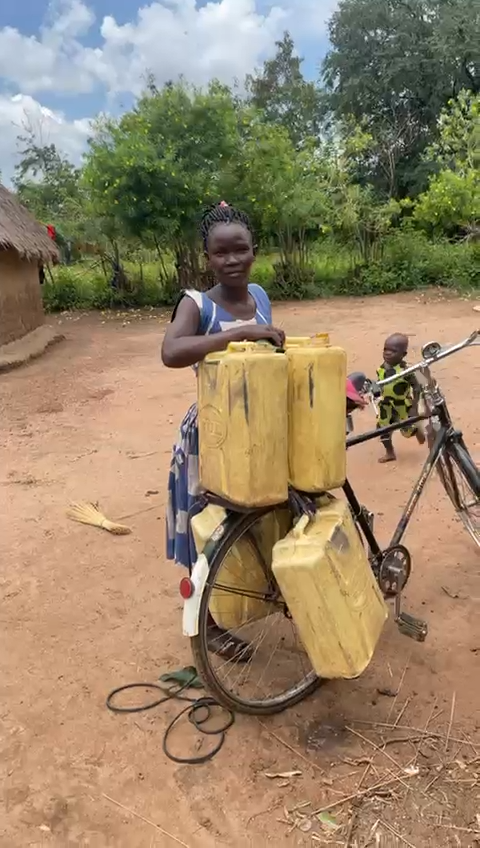
Fetching water in Uganda is not an easy task. Homes do not have faucets or taps. This young girl uses the family bicycle to bring water home for cooking, cleaning, and drinking. Before Fahmiyanwi helped her village, the nearest water source was over 2 kilometers (1.25 miles) away. She made that trip every day with four large containers.
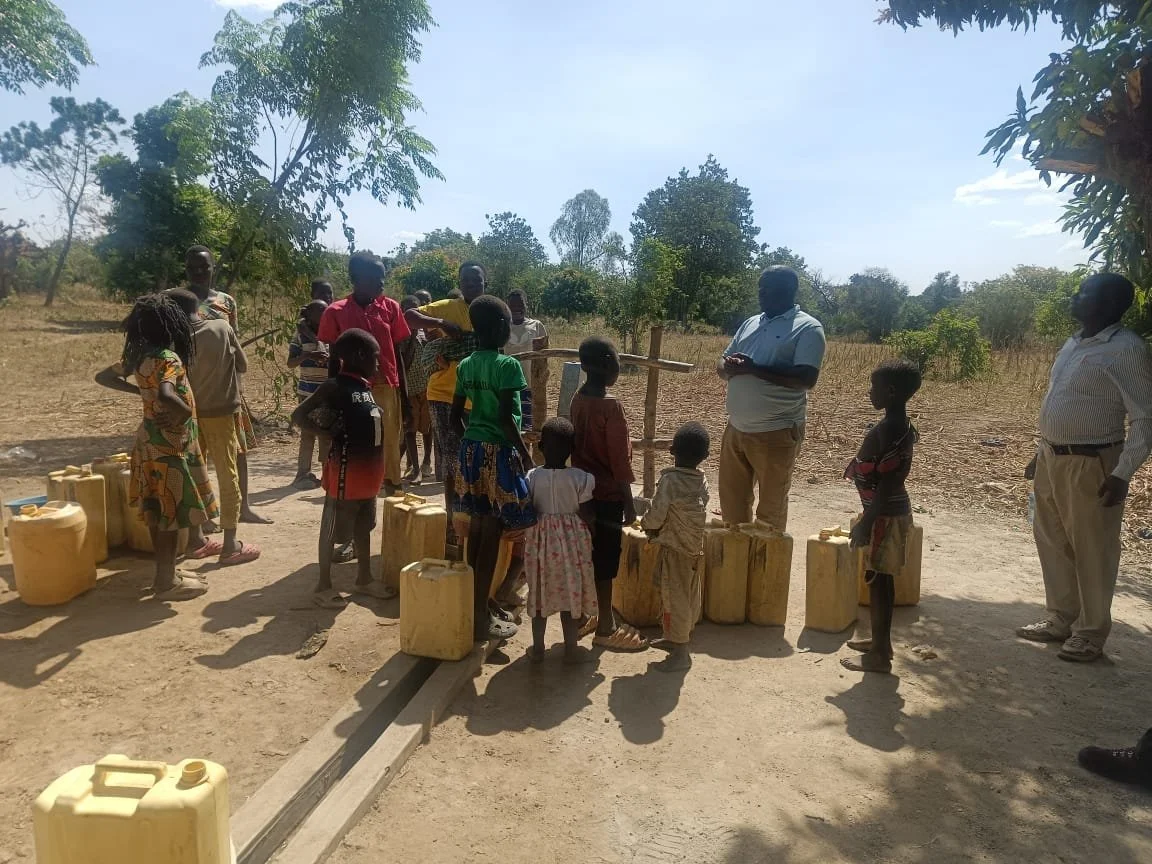
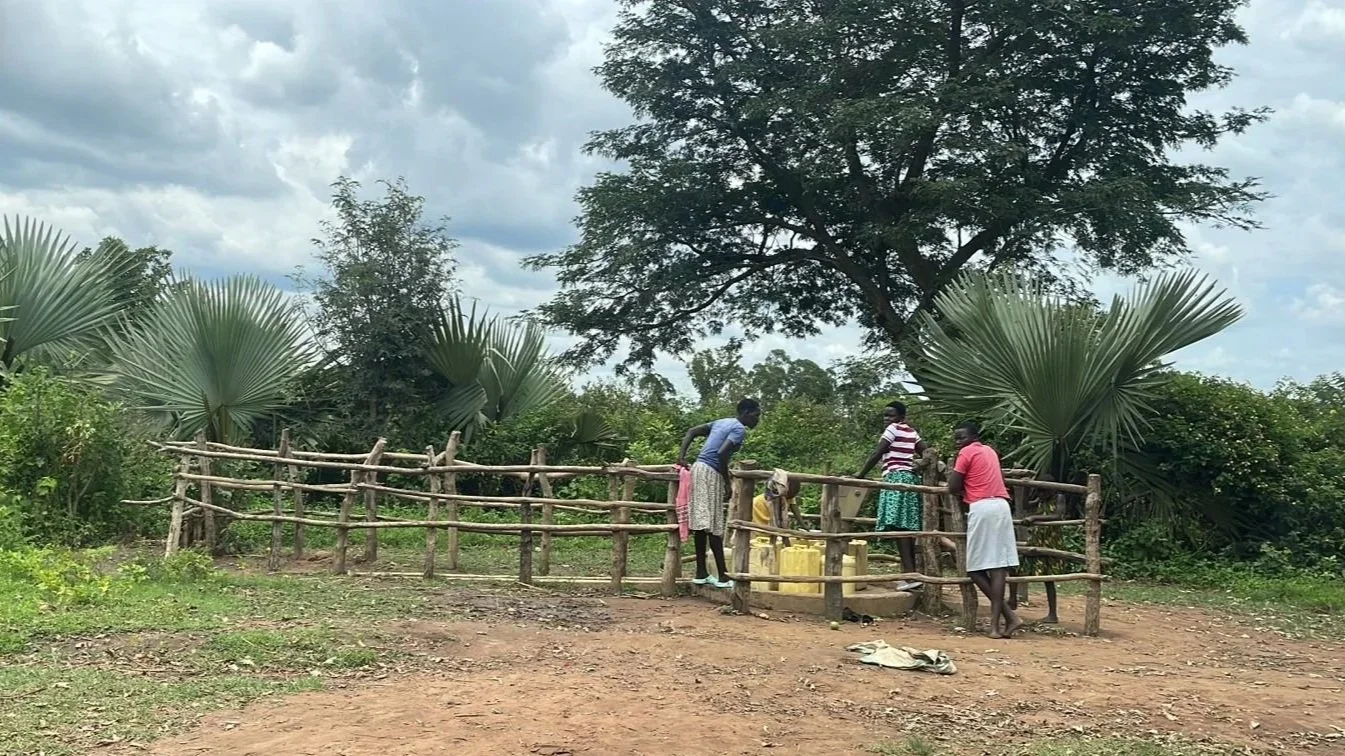
Today, the community has its own hand pump—close, reliable, and simple enough for children to operate.
Accessible water is more than convenience. It is safety. It is life. Waterborne illnesses are a leading cause of death, especially among children.
The journey itself carries risk. Girls traveling alone can face harassment and violence along the way. One mother shared the heartbreak of her daughter’s abduction, along with the family’s jerry cans (plastic containers like those in the photo above). There is also the risk of animal attack.
Across sub-Saharan Africa, women and girls bear the responsibility of collecting water in nearly 80% of households without access at home. The water they carry is not always safe. And when water is not brought home quickly, it can lead to conflict or harm within the household.
In Uganda, diseases such as cholera, typhoid, and dysentery continue to claim lives each year.
Clean water changes that story.
When water is nearby, children stay closer to home. Families are healthier. Even small changes—like reducing the time it takes to collect water—can significantly reduce exposure to illness, danger, and death.
What was once a daily burden becomes a steady source of life.
March 2026 Observances #WorldWaterDay #InternationalWomensWeek #NationalGroundwaterAwarenessWeek #WorldOrphanWeek