
A Turning Point for Bafut
Thank you to The Herald Tribune for publishing this outstanding article!
Turning Point for Bafut as Fahmiyanwi Rallies Stakeholders Around Sustainable Water Plan
By Neba Jerome Ambe
A renewed push to end the persistent water crisis in Bafut gathered momentum on April 8, 2026 as Fahmiyanwi (Give God Thanks) NGO convened traditional authorities, state officials and community representatives to chart a coordinated path toward clean and sustainable water access.
The stakeholders’ meeting, chaired by the organisation’s founder, Dr. Emmanuel Ngoh, brought together a cross-section of actors whose roles are considered crucial to tackling a crisis that continues to expose residents, especially children to waterborne diseases. Far from a routine consultation, the forum culminated in the presentation of a Memorandum of Understanding (MoU) designed to formalise shared responsibilities in maintaining community water infrastructure.
Opening the session, Reverend Asana Ferdinand underscored the stark realities facing many Bafut communities, where access to safe drinking water remains a daily struggle. In several localities, families still depend on distant and often contaminated streams. He warned that such conditions continue to fuel cases of cholera and related illnesses, particularly among children.
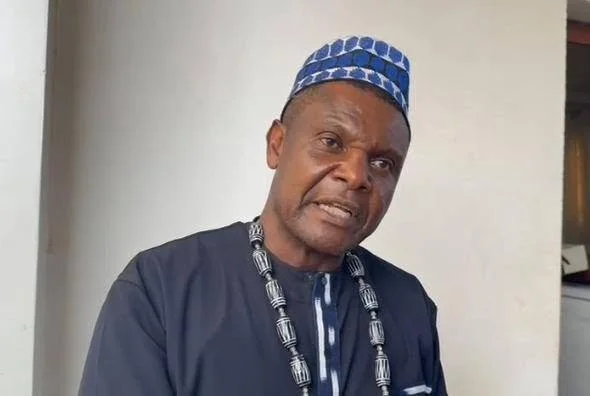
At the centre of Fahmiyanwi’s intervention is a mission shaped by both urgency and personal conviction.
Dr. Ngoh and his wife, Catherine, have anchored their work on the principle that no child should suffer or die from preventable waterborne diseases.
Over the years, the organisation has invested in the construction of boreholes and solar-powered water systems aimed at providing reliable, off-grid solutions in underserved communities.
Reviewing progress made so far, Fahmiyanwi officials pointed to successful projects in areas such as Manka,ha where access to potable water has improved significantly. The organisation’s Chief Executive Officer, Pascal Fuh Ngoh, noted that several installations are already serving hundreds of residents, with additional extensions planned to reach more vulnerable populations. He stressed that partnerships with local churches and community groups would be central to ensuring long-term maintenance and sustainability.
Despite these gains, stakeholders acknowledged that significant challenges remain. Vice Chairman Langsi Abel N. cited persistent funding constraints, gaps in community upkeep, and the growing impact of climate variability on water sources. He called for stronger collaboration, emphasising that the burden of sustaining the projects cannot rest on the organisation alone.
The proposed MoU, presented by Legal Adviser Walters Shu, seeks to address these concerns by clearly defining the roles of all parties involved. Under the agreement, Fahmiyanwi will continue to fund and install water systems, while beneficiary communities are expected to safeguard infrastructure and contribute modest resources for routine maintenance. Administrative and traditional authorities, on their part, are tasked with ensuring compliance and supporting enforcement mechanisms.
Discussions that followed reflected broad consensus on the need for collective action. Representatives of the Bafut traditional institution highlighted the importance of customary authority in protecting community assets, while government officials, including the Divisional Officer and the Mayor, pledged institutional backing. The Presbyterian Church also signalled its readiness to support awareness and community mobilisation efforts.
Testimonies from residents offered a glimpse into the tangible impact of ongoing interventions. In Manka,ha community members reported a marked reduction in water-related hardships, with improved access easing the burden on households and enhancing children’s health and school attendance.
Municipal authorities, while acknowledging broader infrastructural and security challenges affecting the region, expressed commitment to aligning council efforts with Fahmiyanwi’s initiatives to address supply gaps and system overuse.
Closing the meeting, Dr. Ngoh reaffirmed the organisation’s determination to expand its footprint, with additional solar-powered projects already under consideration. He described the MoU as a critical step toward ensuring that gains made are preserved through shared ownership and accountability.
Although Bafut has witnessed previous attempts to address its water challenges, stakeholders at the meeting viewed the current approach as a significant shift, one that combines community participation, institutional support and sustainable technology. For many residents, the success of this initiative will ultimately depend on how effectively these commitments are translated into action. Yet early indications suggest a growing alignment among key actors, offering cautious optimism that access to clean water in Bafut may finally be on a more sustainable path.
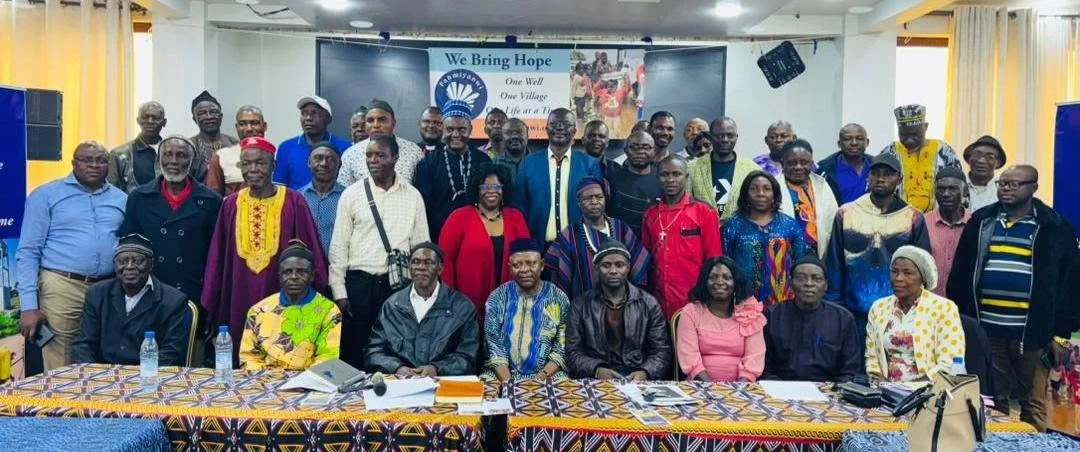
A major stakeholders' meeting in Bafut convened by the Fahmiyanwi NGO rearding the Sustainable Water Initiative brought together traditional authorities, the Mayor, and community representatives to formalize a Memorandum of Understanding (MoU) aimed at building solar-powered infrastructure to combat cholera and waterborne illnesses.
